We bulk bill echocardiogram and stress test for eligible patients with medicare.

Dr Jay Thakkar

Dr Jay ThakkarDr Jay ThakkarDr Jay Thakkar
  • Home
  • CLINIC SERVICES
    • Consultation
    • Echocardiogram
    • Stress Test
    • Holter Monitor
  • My Heart
    • Coronary Artery Disease
    • Heart Attack and Angina
    • Atrial fibrillation
  • Contact Us
  • Downloads
    • Angiography & Stenting
    • Electrophysiology
    • Transesophageal Echo TOE
    • Cardioversion
    • Pacemaker
    • ICD
    • Loop Recorder
  • More
    • Home
    • CLINIC SERVICES
      • Consultation
      • Echocardiogram
      • Stress Test
      • Holter Monitor
    • My Heart
      • Coronary Artery Disease
      • Heart Attack and Angina
      • Atrial fibrillation
    • Contact Us
    • Downloads
      • Angiography & Stenting
      • Electrophysiology
      • Transesophageal Echo TOE
      • Cardioversion
      • Pacemaker
      • ICD
      • Loop Recorder

Dr Jay Thakkar

Dr Jay ThakkarDr Jay ThakkarDr Jay Thakkar
  • Home
  • CLINIC SERVICES
    • Consultation
    • Echocardiogram
    • Stress Test
    • Holter Monitor
  • My Heart
    • Coronary Artery Disease
    • Heart Attack and Angina
    • Atrial fibrillation
  • Contact Us
  • Downloads
    • Angiography & Stenting
    • Electrophysiology
    • Transesophageal Echo TOE
    • Cardioversion
    • Pacemaker
    • ICD
    • Loop Recorder

IMPLANTABLE CARDIOVERTER DEFIBRILLATOR
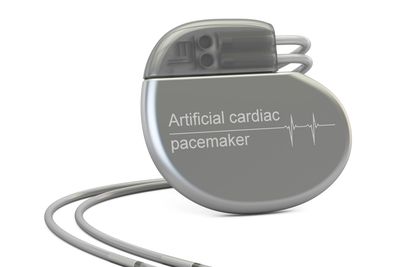
An AICD stands for Automatic Implantable Cardioverter Defibrillator. It is a medical device that is implanted into the chest to monitor and regulate heart rhythm. The primary function of an AICD is to detect abnormal heart rhythms (arrhythmias), particularly life-threatening ones like ventricular fibrillation or ventricular tachycardia, and deliver electrical shocks to restore a normal heart rhythm if needed.


How does an AICD work ?

  • Monitoring: The AICD continuously monitors the heart's electrical activity through leads (wires) connected to the heart.
  • Shock Delivery: If the device detects a dangerously fast or irregular heart rhythm (like ventricular fibrillation), it can deliver a shock to the heart to reset the rhythm and restore normal functioning.
  • Pacing: In some cases, if the heart rate is too slow, the device can also function as a pacemaker, sending small electrical impulses to help regulate the heart rate.
     

Which patients are most likely to benefit from AICD?

An AICD is typically implanted in people who are at high risk for sudden cardiac arrest due to a history of life-threatening arrhythmias, heart disease, or certain genetic conditions. It is a lifesaving device, as it can prevent sudden cardiac death by delivering shocks when necessary.

DOWNLOADS - PATIENT INFORMATION SHEET

ICD Implant (pdf)Download

Copyright © 2026 Dr Jay Thakkar - All Rights Reserved.

  • Contact Us

Powered by

This website uses cookies.

We use cookies to analyze website traffic and optimize your website experience. By accepting our use of cookies, your data will be aggregated with all other user data.

Accept